Should You Switch to a Tankless Hot Water Heater?
June 6, 2017

If the time has come to replace your hot water heater, you have a big decision to make. Should you stick with a standard, tank-style unit, or should you switch to a tankless heater that warms the water on demand? Many homeowners love their tankless water heaters, but there are definitely situations in which they are not always the right choice.


When Does a Tankless Water Heater Work Well?

Tankless water heaters are sometimes called continuous flow, on-demand, or instant water heaters. They warm water as it flows through the device, rather than storing warmed water in a tank until it's needed. Some situations in which they work well include the following:


You Have a Large Family

When you have a large family, there are bound to be times when multiple people want to shower in a row, or someone wants to shower right after another family member washes dishes. Even the largest hot water tanks don't often hold enough for large families to take back-to-back showers. With tankless water heaters, however, you have an unlimited supply of hot water so nobody has to take a cold shower.


You Have Limited Space

Tankless hot water heaters take up much less room than tank-style heaters. Since they are small boxes that mount on the wall, you can place the tankless heater in a corner and use the floor space in your basement or linen closet for other purposes.


You Travel a Lot or Are Outfitting a Vacation Home

Tankless heaters only use electricity when they are actively heating water. In contrast, a tank-style heater is always drawing electricity or gas to keep the water warm, even if you are not around to use that hot water. If you travel a lot, changing over to a tankless water heater will allow you to save significantly on energy bills. Similarly, if you're putting a water heater in a vacation home, a tankless unit is definitely the most energy-efficient choice.


You Value Energy Savings

In the typical family home, switching to a tankless water heater won't miraculously slash your energy bill in half, but it will result in some energy savings. The average family saves about $100 a year with an on-demand unit. If you are dedicated to maintaining as eco-friendly and efficient a home as possible, installing a tankless unit is a step in the right direction.


When Is a Tankless Heater Not the Best Choice?

In spite of their eco-friendly benefits and an endless supply of hot water, a tankless hot water heater may not be suited to your particular situation. Here are some instances in which you're better off sticking to a standard hot water tank.


You're on a Tight Budget

Though tankless hot water heaters save you money on energy in the long run, they do cost more up-front. Your installation costs will also be higher since your plumber will have to make modifications to accommodate the tankless unit. If you're on a really tight budget and urgently need a new water heater, a hot water tank is the more affordable choice.


You Want to Run Multiple Taps at a Time

Tankless hot water heaters offer an endless flow of hot water, but they can only heat a certain volume of water at one time. If one person is taking a shower, the washer is running, and you turn on the faucet, the water coming through the faucet may be cold.


You could install multiple tankless heaters to supply water to individual taps, but costs can add up quickly. If you plan on frequently running multiple taps at once, you might be better off with a hot water tank, since you can extract a higher volume of water from the tank at once.


To learn more about tankless water heaters and to get an estimate for having one installed in your home, contact the experts at Peter Piper's Plumbing.
November 6, 2025
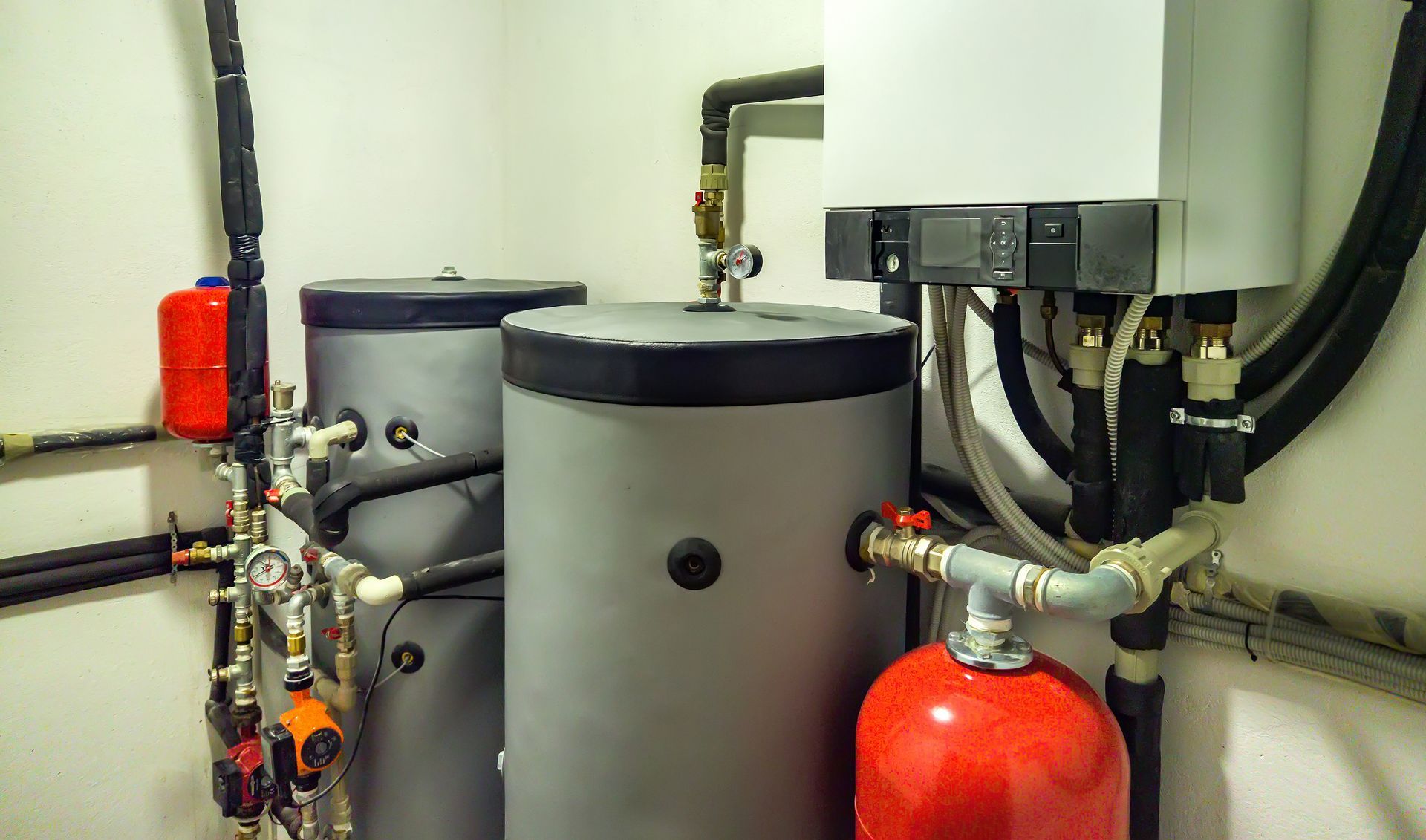
Your water heater is an essential part of your home. But it's easy to forget about your water heater — that is until the unit loses its ability to function at its optimal level. Whatever the case may be, determining when to replace a water heater can be tricky. The following are five signs you need a new water heater unit in your home. Unusual noises One good way to gauge when it's time for a new water heater is to pay attention to your water heater's sounds. If you notice any unusual noises coming from the tank, like rumbling or popping, or clanging, it could be a build-up of sediment in the tank. However, noise often reoccurs as part of normal wear and tear on older model units. Suppose you have had water heater noise several times for years. Now may be a good time to install a new unit. Rusty Water Rusty water can indicate the presence of rust holes within the tank. To find out if the problem is coming from your heater and not somewhere else in your plumbing system, drain the tank. After draining, check for rust again in a few hours. You likely have a bad heating element if rusty water is still leaving the faucet after draining. Or the problem could be a corroded anode rod inside the tank itself. Either way, you'll need to replace your current system with a new one to avoid higher costs in property damage over time. Water Heater Leaks Even the tiniest leak can have a domino effect and cause expensive damage to your home. Worse, leaks usually point to something more serious — like a faulty valve or a broken dip tube. Sediment buildup can also cause water heater leaks. The sediment breaks down the thermal inside the tank and forms holes. Regardless of the cause, do not ignore the leak, since it's likely a sign it's time to replace your water heater. Lack of Hot Water One of the most obvious signs of water heater failure is a lack of hot water. If your water heater is too old, it may not be able to generate enough heat to provide enough hot water for your home and family. Lack of hot water could mean that the heating element in your water heater has started to fail. Therefore, you will want to check whether the heating elements inside your unit are working correctly before getting a new one. The best way to check is with a multimeter. You'll be able to tell if something else is causing the problem based on how each element in the unit reads. Compare your readings with what they should read as per manufacturer specifications. If the elements are all within specified ranges but still aren't enough for you, replacing them may be worth considering. Old Age While you can't know the exact number of years that determine when to replace your water heater, the average lifespan of a water heater is 8-10 years. Homes with hard water or frequent power outages may see their unit fail at a younger age, while others may make it longer. Replacing an older unit will be more cost-efficient than repairing it, but new units are also more energy-efficient. Many people do not realize that their water heater needs repair or replacement until it's too late. Therefore, you should have your water heater professionally inspected every six months. Your professional plumber can find problems that you may have missed. The professional makes sure that your heater is working at its highest efficiency. If you notice any of these issues, contact us today to schedule an inspection. 
November 20, 2023
Water softeners and water conditioners are both important appliances that can improve the quality of your water and make it more pleasant to use. However, like any other appliance, they can break down from time to time. If you're not sure if your water softener or water conditioner is working properly, here are a few signs to look for: Soap Scum, Scale Buildup, and Dry Skin Signs of hard water, such as soap scum, scale buildup, and dry skin, often suggest that a water softener may be failing. When a water softener nears the end of its lifespan, it might struggle to effectively remove minerals like calcium and magnesium from the water. As a result, the softened water becomes insufficiently treated, allowing the minerals to persist and cause the usual signs of hard water. Little to No Salt Use When a water softener begins to fail, one common indicator is a noticeable decrease in the amount of salt it uses. This reduction in salt consumption suggests that the resin beads responsible for the softening process are not functioning effectively, leading to a decline in the overall softening capacity. The resin beads in the water softener require regular regeneration with salt to continue effectively removing the minerals that cause hardness in water. When the softener is unable to use the salt as it should, it ultimately results in a decrease in its efficiency, leaving the water less softened and potentially causing issues such as mineral buildup in pipes and appliances. Regular maintenance and timely servicing are crucial to ensure the optimal performance of a water softener. Too Much Noise Typically, if a water softener begins producing excessive noise, it might indicate deteriorating parts, such as the motor or the bearings. As the components wear out, they can generate grinding, squeaking, or rattling sounds during operation. Moreover, an increase in noise might suggest a malfunction in the control valve, resulting in irregular water flow and disruptive operational patterns. Additionally, the accumulation of mineral deposits or sediment within the system can lead to blockages, causing the water softener to work harder and generate more noise than usual. Leaking Softener The leakage often suggests that the internal components, such as the seals or valves, have become compromised. Over time, these elements can wear down due to regular use or prolonged exposure to hard water. Additionally, if the brine tank, responsible for the regeneration process, is compromised, it can result in leaks. Such leaks not only indicate immediate malfunctions but also signal potential larger issues that might lead to complete system failure if left unaddressed. Dry or Itchy Feeling This occurs due to the presence of excessive minerals, like calcium and magnesium, which the softener would typically remove. As the softener loses its effectiveness, these minerals remain in the water supply, causing the skin to feel dry or irritated after washing. The lingering minerals can strip away the skin's natural oils, leading to a parched sensation or even exacerbating pre-existing skin conditions. In some cases, the minerals can also cause clothes to feel rough and stiff after washing. Blockages or Clogging The accumulation of mineral deposits within the softener's resin bed can lead to reduced efficiency, ultimately causing clogs in the system. This occurs when the resin bed loses its ability to exchange ions effectively, resulting in mineral buildup and reduced water flow. Additionally, if the brine tank or the control valve malfunctions, it can lead to inadequate regeneration cycles, leading to the accumulation of mineral deposits and blockages. Peter Piper's Plumbing inspects and maintains water softeners to prevent blockages, ensuring their optimal performance and longevity. Contact us today to get a quote.
August 31, 2023
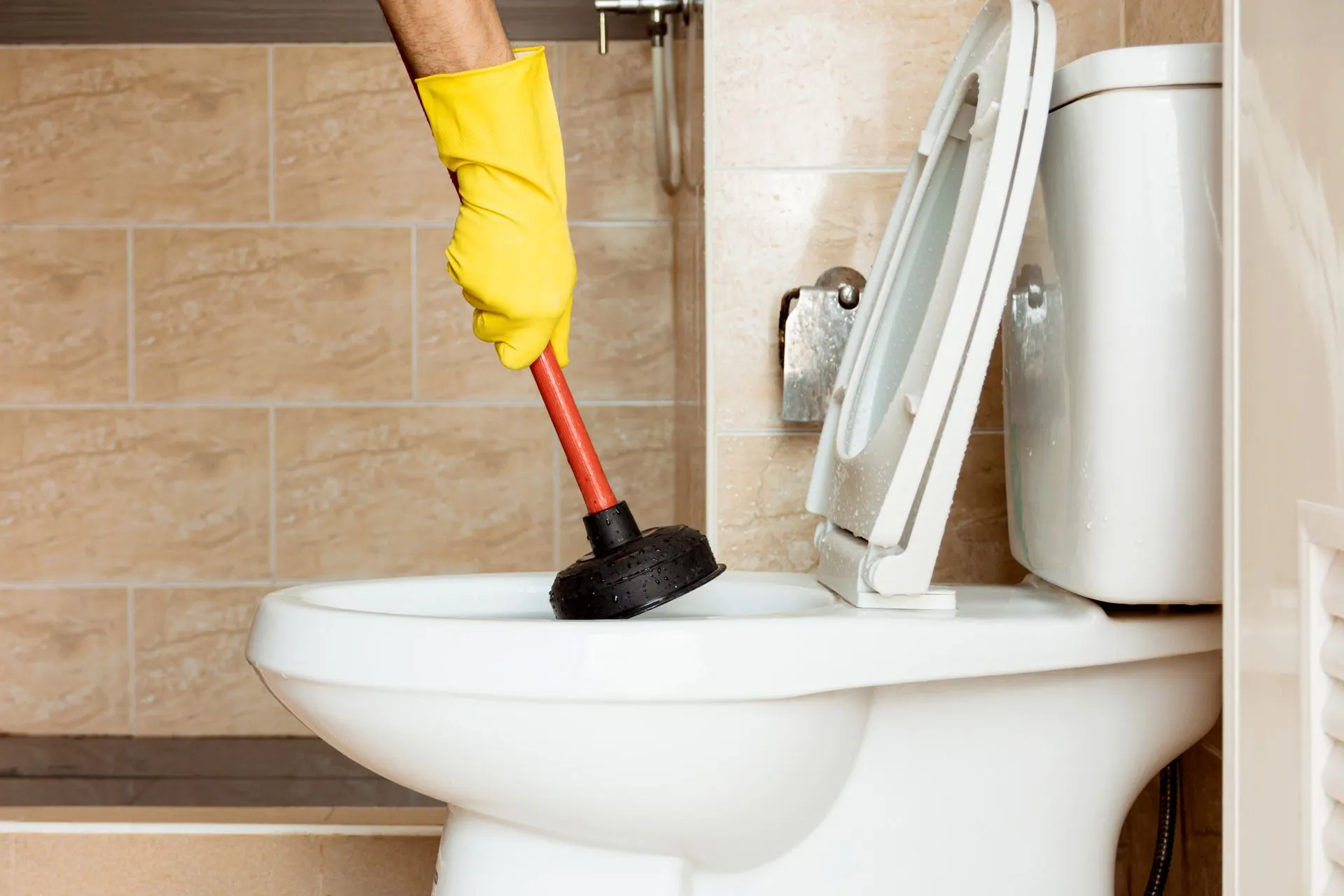
Dealing with blocked pipes and clogged drains is a frustrating experience for any homeowner. Whether in the kitchen, bathroom, or laundry room, a clogged drain is a problem and needs to be fixed quickly and efficiently. Instead of grabbing your plunger and trying to fix the problem yourself again, call your plumber. They offer a solution that can help clear all types of clogs and blockages: hydrojetting. Here's what you need to know. Understanding Hydrojetting Hydrojetting is a plumbing solution that utilizes high-pressure water to clear tough blockages and clogs from pipes. The process involves using specialized equipment that pumps water through the pipes, creating a strong force that clears out any obstruction in its path. Additionally, it cleans the interior of the pipes, eliminating any buildup that could have caused future problems. When to Use Hydrojetting Hydrojetting is a highly effective way to clear most types of blockages in plumbing systems, including those created by grease, food, hair, and soap buildup. Additionally, it can be used to clear out the entire pipe system, not just the area where the blockage is found. Hydrojetting is also more efficient than other methods like chemical drain cleaners and snaking, a process that requires a long cable and physical force to clear out the blockage. Benefits of Hydrojetting There are many benefits to opting for hydrojetting the next time you have a blockage, including: Efficient. Compared to other drain-clearing methods like snaking, hydrojetting is highly efficient in quickly clearing serious blockages. The equipment can clear out even the most stubborn clogs from drain lines quickly. Thorough. Another benefit of hydrojetting is that it is very thorough. High-pressure water cleans the entire pipe system from the inside, meaning that even buildup in places that are hard to reach will be cleared out. Safe. One of the biggest advantages of hydrojetting is that it's safe to use on plumbing systems made from materials like PEX and PVC. Chemical drain cleaners easily damage these materials, but hydrojetting provides a safe and effective solution. Environmentally friendly. Hydrojetting is considered to be safe for the environment. Since it uses only water, no harsh chemicals or solvents can damage the environment. Additionally, hydrojetting helps prevent future blockages, meaning homeowners are less likely to encounter future plumbing problems if hydrojetting is done regularly. Limitations of Hydrojetting While hydrojetting is highly effective in clearing most plumbing blockages, it may not be the best solution in some situations. For instance, if the pipes are old, corroded, or damaged, hydrojetting may be unsafe and potentially cause further damage. This risk is why hiring a professional plumbing company is essential. You need experienced, highly qualified plumbers to thoroughly assess the problem before determining if hydrojetting is the right solution to your persistent clogs. Additionally, not every plumbing company has the necessary equipment and training to perform the job correctly and safely. Preventing Clogs As a final reminder, the best way to prevent clogs from happening in the first place is to watch what you put down your drain. Many seemingly innocuous items are commonly put down the drain only to wreak havoc on your plumbing, including: Eggshells Coffee grounds Fibrous foods like celery, artichokes, and asparagus Cooking oils and greases Dental floss 'Flushable' wipes Paper towels By avoiding putting these items down the drain, you can help reduce the risk of clogging your plumbing system. Hydrojetting is a modern and efficient method to clear stubborn blockages in plumbing systems. However, hiring a professional plumbing company is essential to ensure the safest and best results. If you're experiencing a plumbing issue, call Peter Piper's Plumbing, we can help. 
July 21, 2023
Slow drains is a frustrating issue that many homeowners encounter. Slow drains disrupt daily activities, create unpleasant odors, and can lead to more severe plumbing problems if left unattended. This article will explore the major factors contributing to slow drains. 1. Minor Clogs Minor clogs are among the most common causes of slow drains in homes. Over time, debris such as hair, soap residue, grease, and food particles can accumulate in pipes and create blockages. These small clogs restrict water flow and cause drains to empty slowly. Minor clogs are often found in bathroom sinks, showers, and tubs, where hair and soap scum are regularly washed down the drains. Use drain screens or stoppers to catch debris before it enters the pipes. Regularly cleaning these screens and removing trapped hair and debris can help maintain smooth drainage. 2. Tree Roots Another significant cause of slow drains is tree roots infiltrating underground sewer lines. As trees grow, their roots seek moisture and nutrients, often invading sewer pipes in the process. Tree roots can cause significant blockages, resulting in slow drains or even complete pipe obstructions. Plumbers can use specialized equipment, such as augers or hydro-jetting, to remove the roots and restore proper drainage. In some cases, replacement or repair of damaged pipes may be necessary to prevent recurring tree root issues. 3. P-Trap Problems The P-trap is a curved section of pipe located beneath sinks, showers, and toilets. It creates a water seal that prevents sewer gasses from entering the home. However, P-traps can also become a source of slow drains if they develop problems. One common issue with P-traps is the accumulation of debris. Over time, debris and small objects can build up within the trap, impeding the flow of water. Regular cleaning of P-traps and removing any trapped debris can help maintain proper drainage. Another problem related to P-traps is improper installation or venting. If a P-trap is not correctly installed or lacks proper venting, it can create suction and hinder drainage. Plumbers should ensure correct installation and venting of P-traps, thus avoiding slow drain issues caused by this component. 4. Septic Tank Sludge Homes with septic systems may experience slow drains due to the accumulation of sludge in the septic tank. The septic tank is designed to separate solid waste from wastewater, but over time, sludge can build up at the bottom. When the sludge level becomes too high, it can impede the flow of water and cause slow drains. Regular septic tank pumping and maintenance are crucial to prevent sludge buildup. 5. Deterioration As plumbing systems age, pipes can deteriorate, leading to slow drains. Old pipes made of materials like galvanized steel or cast iron are particularly prone to corrosion, rust, and scaling. These issues restrict the interior diameter of the pipes, reducing water flow and causing drains to empty slowly. In cases of pipe deterioration, a plumber can assess the plumbing system's condition, identify areas of concern, and determine the most appropriate course of action. Pipe replacement or relining may be necessary to restore proper drainage and eliminate slow drains caused by deteriorating pipes. 6. Vent Pipes Vent pipes play a crucial role in plumbing systems, allowing air to enter and equalize pressure within the pipes. When vent pipes become obstructed or damaged, they can cause slow drains. Blockages can occur due to debris, bird nests, or even small animals seeking shelter in the pipes. Plumbers have the knowledge and tools to access the vent system, identify blockages, and clear them effectively. Peter Piper's Plumbing is your trusted 24-hour emergency service plumbing company. We've got you covered when pipes burst or leaks flood your home. Contact us now, and we'll race to your rescue, day or night.
May 2, 2023
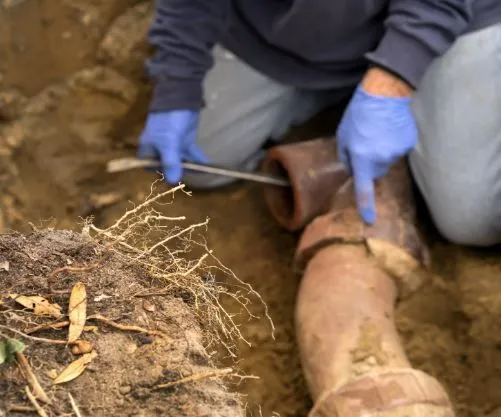
If your home has plumbing problems, you may not immediately consider the sewer line's condition. Since it stays underground and out of sight, many homeowners don't maintain the sewer line until it has a severe problem like tree root intrusion. Learn more about this problem below. How Do Tree Roots Enter Sewer Lines? Tree roots don't create cracks in sewer pipes. Rather, the roots exploit existing fractures to enter your sewer system. To understand the issue of tree root intrusion, consider the primary role of roots. These parts of a plant absorb nutrients and water from the soil and conduct them to the stem. As such, the roots constantly search for nutrients and can detect moisture-rich areas in the surrounding soil. If your sewer line has leaks, wastewater soaks the ground and attracts roots. Trees with long-reaching and sturdy roots are especially destructive because they follow sewer lines for many feet, looking for tiny cracks. Once these roots enter the pipes, they proliferate into masses that can break sewer lines. What Are the Signs of Tree Root Intrusion? Tree root invasion in sewer lines gets out of hand quickly because the nutrients facilitate abnormal growth. You want to catch the problem early before it causes extensive damage to your sewer line. Gurgling toilet sounds are often the first signs of tree root intrusion because the drain line is obstructed. Slow drains are another common frustration, in which all the drains in your home work unusually or back up and plungers don't work. The toilet, sinks, and bathrooms may also emit foul odors you can't explain. If you suspect sewer line damage, look at the yard for soggy or unusually green patches. Sinkholes may also emerge and become safety hazards for children, pets, and other family members. What Can You Do About Tree Root Intrusion? Some homeowners use DIY methods to remove tree roots from sewer lines, which are ineffective. For example, chemical solutions designed to kill tree roots may also corrode and damage your pipes, leading to more expensive repairs. Moreover, you must reapply the solutions every few months because the tree roots grow back. Other treatments, like rock salt, can kill your trees and affect your backyard's charm. The best solution to tree root intrusion is professional removal by a certified and experienced plumber. How Do Plumbers Remove Tree Roots? The first thing a plumber does is a camera or video inspection that shows the location and size of the root mass and the damage to the pipes. Then, the technician uses specialized tools to cut down the roots and remove them from your sewer line. For instance, a drain snake travels down the drain pipes, breaking roots and other debris apart. The plumber can also use a hydro jet, which streams high-pressure water jets to dislodge and wash away roots. Once your sewer line is free from tree roots, the plumbers can clearly see the damage left behind. If you are lucky, the professionals can repair the existing pipes without digging through your yard. If the damage is extensive, your plumber will recommend installing newer and more durable pipes, especially if you have an old home. How Do You Prevent Tree Root Intrusion? Tree root removal can cost quite a lot, so you should prevent the problem from occurring in the first place. Planting trees far from the sewer line is one way to avoid tree root intrusion, while pruning stunts the growth of existing trees. Annual sewer line inspection is effective because plumbers detect pipe leaks before they cause other problems. The plumbers also clear the sewer line of debris during maintenance to keep drains free flowing. Worried about tree roots in your sewer line? We can help. Our plumbing experts at Peter Piper's Plumbing & Drain Cleaning Service use state-of-the-art machinery to clear the roots and repair the plumbing system. Contact us today to get started. 
April 5, 2023
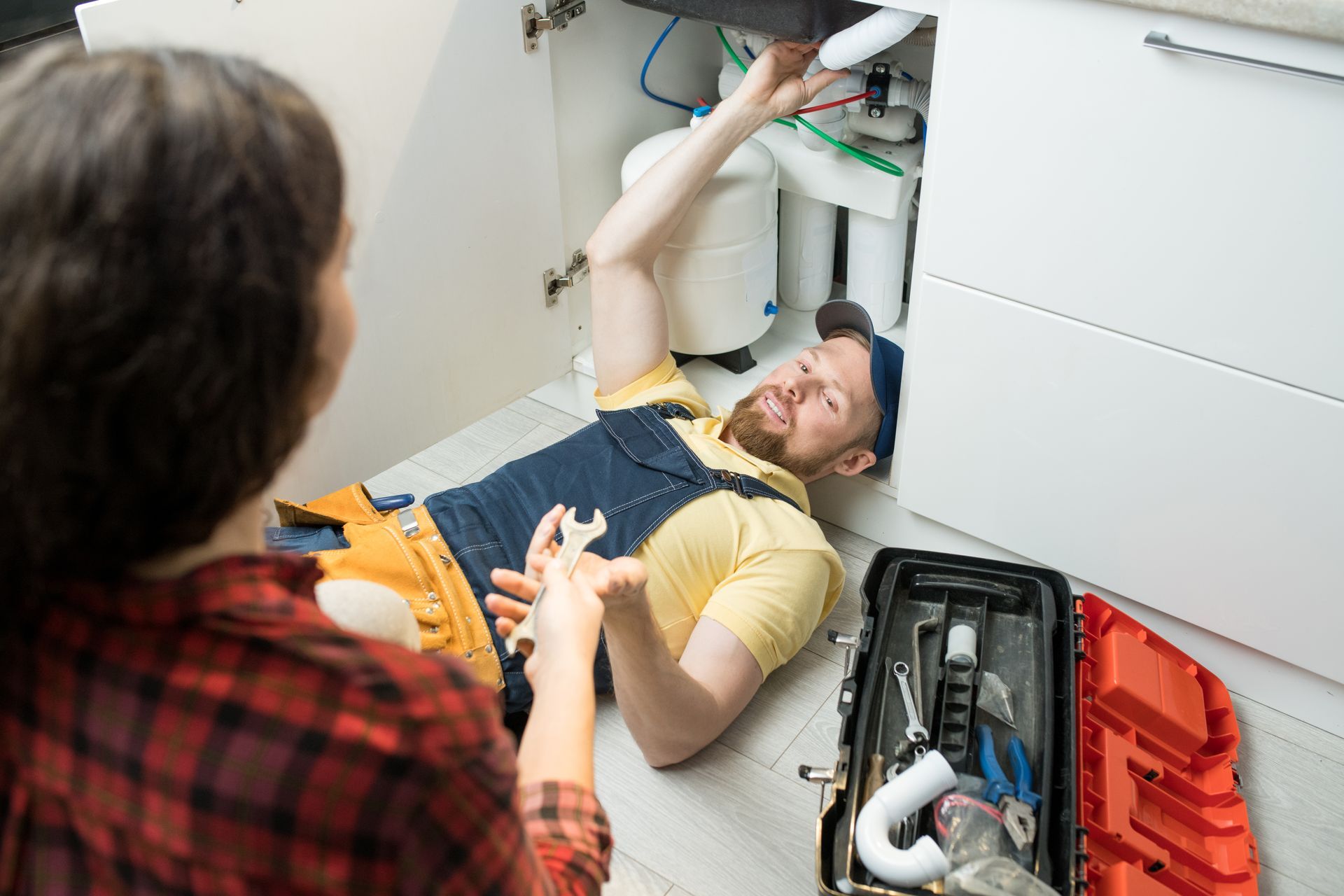
Older homes are more likely to have plumbing complications than newer homes. Read on to learn about some of the plumbing problems you should consider if you live in an older home. 1. Pipe Corrosion Most modern houses have PVC pipes and drains, while older houses use metal pipes—particularly galvanized steel pipes and copper pipes. Metal pipes rust and corrode easily, affecting the quality of water passing through the pipes. Rust can also cause corrosion on pipes and cause leakage. 2. Failing Sewer Lines Sewer lines in older homes often lack modern appliances such as dishwashers and garbage disposals. This forces most of the wastewater from the home to pass through the sewer lines. The heavy use makes the sewer lines more susceptible to damage, particularly if you have remodeled the house extensively. Shifting and tree roots can also damage the sewer lines. Here are some signs of failing sewer lines: Soft spots and unexplained puddles in the yard, even when the ground is dry. Simultaneous failure of several drains as well as partially blocked sewer lines. Bad odors that resemble egg-like smells in various rooms of your house. Bad-smelling wastewater leaks into various parts of your home. You may have to hire a professional to dig out the sewer lines and install better ones. 3. Pipe Bellies Older homes may have shifted and gradually moved over time, affecting pipes underneath the home. Sections of the pipe can move downward and have a negative slope belly that prevents proper water flow. This low water flow can cause sediment and waste to accumulate at various points of the pipes. Failure to address the problem can cause leaks and water stoppages over time. 4. Outdated Fixtures and Connections Antique faucets and fixtures are part of the attraction in a historic home. But these features will cease to be functional due to various reasons. Connections and hardware can corrode and wear, reducing the water pressure in the fixtures and causing leaks. Limescale can also accumulate in old faucets and affect the quality and speed of the water. The result will be a sudden hike in your utility bills. Showerheads and faucets can also start to produce unpleasant smells. 5. Improper Repair or Installation The original plumber may have used methods to install the plumbing system in your home that are now outdated. You may also have difficulties tracking down the plumber to get more insights about the plumbing installation techniques. Another possible cause of planning problems is the failure to identify the correct plumbing problem during repairs. 6. Tree Damage If your house is several decades old, old trees are also likely to be on the same property. While the trees improve the ambiance of your home, their roots pose a danger to your home's plumbing system. The roots won't grow around the pipes but will instead break their way through. Such can cause various problems, including blockages, water leaks, and low water pressure. 7. Lead Piping Lead is a harmful material that can cause various health problems, such as fatigue, constipation, and aches. The metal can also interfere with optimum brain function and decrease fertility. But scientists only discovered the dangers of lead in the recent past. Before the discovery, lead was popular for pipe fittings, water means, and sewer lines. You may not easily know whether your old home uses lead plumbing fixtures. The solution is to hire a professional to test your water and know whether the pipes use lead. If your old house has any plumbing problems, the best approach is to hire a professional plumber to fix the problems. Peter Piper's Plumbing provides professional plumbing solutions, including emergency service repairs and preventative maintenance. Contact us for more information.